What to Expect During a Professional Wildlife Removal Visit
People seeking wildlife removal typically want pests safely removed and excluded, and local service providers can handle inspections, humane trapping, and prevention measures during the visit.
Understanding what to expect during a professional wildlife removal visit can help property owners feel more prepared and confident when addressing unwanted animal intrusions. Typically, these visits involve a thorough inspection of the property to identify how animals are gaining access and to assess the extent of the issue. Local contractors specializing in wildlife removal use their expertise to locate entry points, humane trapping methods, and exclusion techniques that prevent future visits. Knowing what steps are involved can reassure property owners that experienced professionals prioritize effective, humane solutions tailored to each situation.
For many property owners in the area, wildlife encounters are more than just a nuisance-they can pose safety concerns, cause property damage, or lead to health risks. Engaging with local service providers who handle wildlife removal ensures that these issues are addressed efficiently and humanely. By understanding what happens during a typical visit, property owners can better appreciate the value of professional assistance and make informed decisions about managing wildlife intrusions. Keep reading to learn more about the process and how local experts can help restore safety and peace of mind.
- Wildlife Entry Inspection - when homeowners notice signs of animal intrusion and want local contractors to identify entry points during a professional wildlife removal visit.
- Animal Trapping and Removal - when animals are confirmed inside the property, and local service providers use humane methods to safely remove them.
- Damage Repair and Sealing - after removal, local pros often assess and repair any damage caused by wildlife to prevent future entries.
- Sanitation and Cleanup - when droppings, nesting materials, or other debris need professional cleaning as part of the wildlife removal process.
- Preventative Wildlife Exclusion - to ensure animals do not return, local contractors install barriers and exclusion devices during a wildlife removal visit.
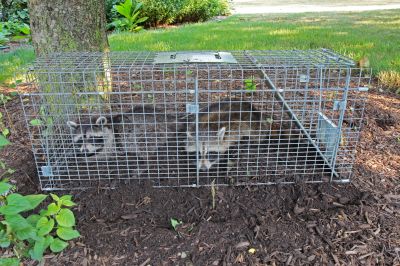
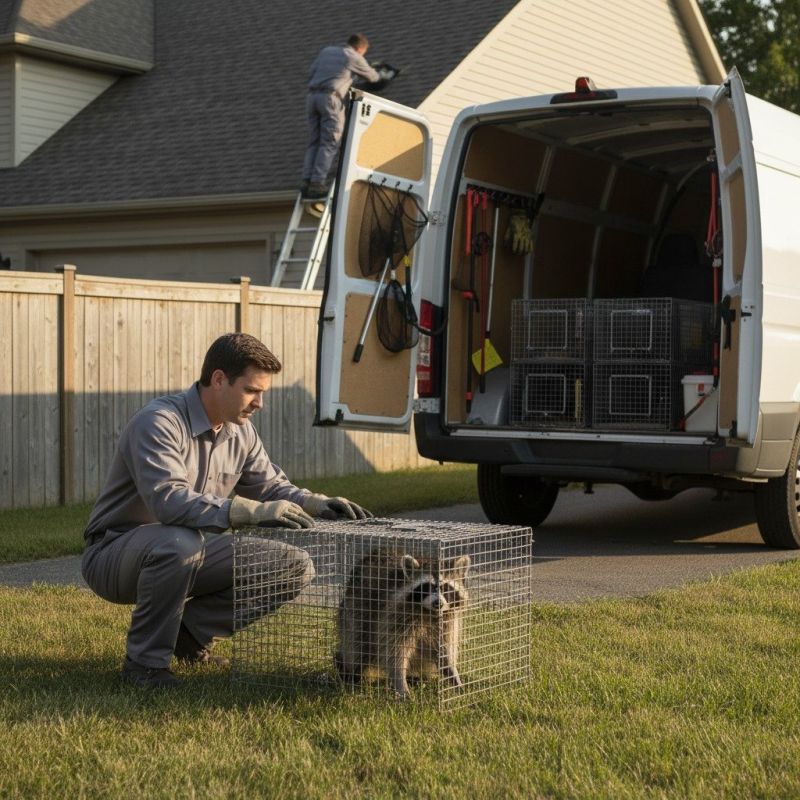
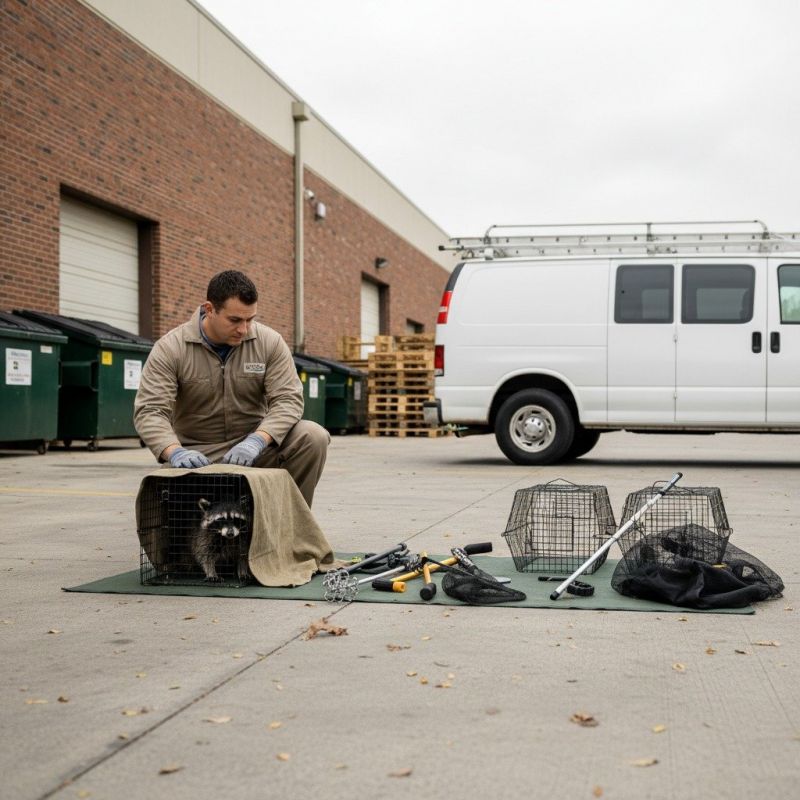
When people search for what to expect during a professional wildlife removal visit, they are often trying to understand the process involved when a trained service provider assesses and handles animal intrusions on their property. This topic typically relates to issues like animals taking shelter in attics, crawl spaces, garages, or other parts of a home or commercial building. Homeowners may be dealing with animals such as raccoons, squirrels, bats, or birds that have entered the property and are causing damage or creating health concerns. Understanding what happens during a removal visit helps property owners prepare for the process and know what to expect in terms of inspection, animal removal, and follow-up measures.
The problems connected to this topic usually involve unwanted animal presence that has become a nuisance or safety risk. Property owners might notice signs like noises in the walls, droppings, chewed wiring, or damage to insulation and structural elements. Many plans for wildlife removal focus on humane and effective removal of the animals, sealing entry points, and preventing future intrusions. Local service providers are equipped to handle these problems by performing thorough inspections, identifying entry points, and implementing removal strategies that align with the specific species involved. This ensures that the property is not only cleared of animals but also protected from future issues.
Properties that come up most often in discussions about wildlife removal visits include residential homes, especially those with attics or basements, as well as small commercial buildings, barns, and sheds. Homes with mature trees or nearby water sources tend to be more vulnerable to certain species like bats or raccoons. Attics are a common site for wildlife to settle in, as they offer a quiet, hidden space for animals to nest and raise young. Sheds and garages are also frequent locations where animals can find shelter, especially if they are seeking warmth or safety. Local contractors familiar with these property types understand the unique challenges they present and tailor their approach accordingly.
During a typical wildlife removal visit, homeowners can expect a professional to conduct a detailed inspection of the property to locate signs of animal activity and identify entry points. The process often begins with a visual assessment, sometimes involving specialized equipment to detect hidden signs of wildlife. The technician will then develop a plan for humane removal, which may include trapping or exclusion techniques, depending on the species and situation. Once the animals are removed, the technician will seal up entry points and recommend any necessary repairs to prevent re-entry. Clear communication about each step helps property owners understand what is involved and how the service provider ensures the property is secure and animal-free moving forward.
Exclusion Services - local contractors often perform exclusion work to seal entry points used by wildlife, which is a key part of what to expect during a professional wildlife removal visit.
Habitat Modification - professionals may recommend or carry out habitat modifications to make properties less attractive to wildlife, aligning with the planning stage of the removal process.
Animal Trapping and Removal - wildlife removal specialists utilize trapping techniques to safely capture animals, a common component of what occurs during a professional visit.
Damage Repair - local service providers might handle repairs to damaged structures or insulation caused by wildlife, which is often addressed during the visit.
Inspection and Assessment - a thorough inspection to identify signs of wildlife activity and entry points is a fundamental part of what to expect during a professional wildlife removal visit.
Preventative Solutions - contractors often provide advice or install barriers to prevent future wildlife issues, which is a typical aspect of the service process.
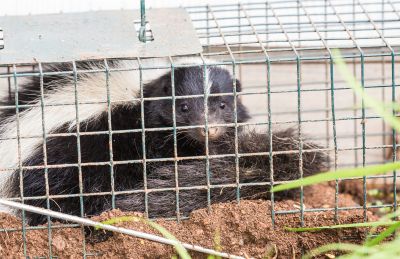
When evaluating wildlife removal service providers, it is important to consider their experience with similar projects. Homeowners should inquire about the types of wildlife the local contractors have handled in the past and whether they have a proven track record of effectively managing situations comparable to their own. An experienced professional will be familiar with the common behaviors of local wildlife and the most appropriate removal techniques, which can help ensure the process is handled efficiently and with minimal disruption.
Clear and detailed written expectations are essential for a smooth wildlife removal experience. Reputable service providers should be able to outline what the removal process will involve, including inspection procedures, methods of removal, and any necessary follow-up actions. Having this information in writing helps homeowners understand what to anticipate during a wildlife removal visit and ensures there are no surprises along the way. This transparency can also serve as a basis for addressing any questions or concerns before work begins.
Good communication and reputable references are key indicators of a trustworthy local contractor. Homeowners should seek out service providers who are responsive to inquiries and willing to provide references from previous clients. Speaking with past customers can offer valuable insight into the contractor’s professionalism, reliability, and quality of work. When choosing a wildlife removal service, it’s beneficial to prioritize providers who demonstrate clear communication and have a positive reputation within the community, as these qualities contribute to a more confident and satisfactory experience during the removal process.
Property owners often search for what to expect during a professional wildlife removal visit when they are planning practical projects around their homes and businesses. Local pros provide Wildlife Removal services for everyday jobs and straightforward project options.
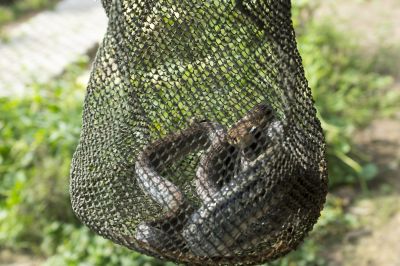
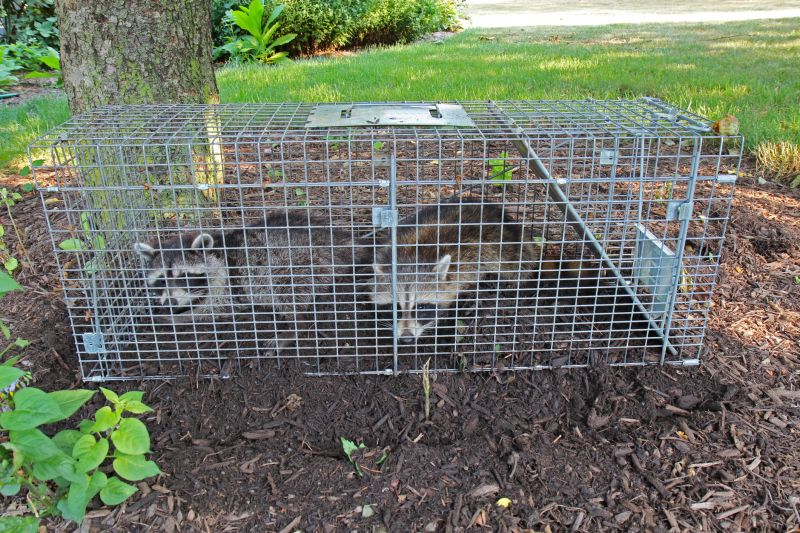
During a professional wildlife removal visit, property owners can generally expect the service provider to conduct a thorough inspection of the affected areas. This may include identifying entry points, signs of animal activity, and potential nesting sites within attics, walls, or crawl spaces. The goal is to assess the extent of the issue and determine the best approach for humane removal and exclusion. Many local contractors prioritize safety and efficiency during this process, ensuring that any wildlife is handled carefully and that the property is evaluated for vulnerabilities that could allow future intrusions.
Once the inspection is complete, wildlife removal specialists typically implement targeted strategies to remove the animals and prevent their return. This might involve trapping, sealing entry points, or installing barriers. Property owners should expect clear explanations of the actions taken and recommendations for ongoing prevention. These visits are designed to resolve wildlife conflicts effectively while minimizing disruption, helping residents feel more confident about the safety and integrity of their property after the service is completed.
What should I expect during a professional wildlife removal visit? During a wildlife removal visit, local service providers typically inspect the property to identify entry points and signs of animal activity, then develop a plan to safely remove the animals and prevent future entry.
Will the wildlife removal technician need to access my attic or walls? Yes, technicians often need to access attics, crawl spaces, or walls to locate animals and seal entry points, ensuring thorough removal and future prevention.
How do wildlife removal professionals handle the animals during the visit? They usually use humane methods to safely trap or relocate animals, minimizing stress and ensuring compliance with local regulations.
What kind of equipment or tools do local contractors use during a visit? Professionals typically utilize traps, inspection cameras, sealing materials, and protective gear to perform a comprehensive and safe removal process.
Will the technician leave my property in a clean condition after the visit? Yes, most wildlife removal specialists clean up debris, droppings, and repair any damage caused during the removal process to restore the property’s condition.
Preparation steps - property owners can learn what to do before a wildlife removal visit to ensure access points are clear and safe for the professionals.
Inspection process - understanding how local contractors identify entry points and signs of wildlife activity helps owners recognize potential problem areas.
Removal techniques - knowing what methods professionals use during a visit allows property owners to plan for minimal disruption and effective wildlife exclusion.
Post-removal advice - learning about follow-up steps and prevention tips helps property owners maintain a wildlife-free environment after the visit.
If you are thinking about what to expect during a professional wildlife removal visit for a property, this guide is meant to help you understand this topic, the typical project types, and how different options might fit your plans.
When you are ready, you can use the quote form on this page to share a few details about your project. From there, local pros can review the basics and follow up with options that match what you have in mind.