What Makes Skunks Choose Crawl Spaces for Denning
People searching for skunk removal often want to understand why skunks choose crawl spaces for denning, and local service providers can help safely remove them and prevent future visits.
If you’ve recently noticed skunks frequenting your property or suspect they may be nesting nearby, understanding what makes skunks choose crawl spaces for denning can provide valuable insights. Many property owners in the area find that skunks are naturally drawn to these secluded, sheltered areas because they offer a safe and quiet environment for raising young. Crawl spaces often provide the darkness, protection from predators, and easy access to food sources that skunks seek when establishing a den. Recognizing these factors can help you identify why skunks might be choosing your property and what steps local contractors can take to address the situation effectively.
Exploring the reasons behind skunks’ preference for crawl spaces also highlights the importance of professional skunk removal services. Local service providers are equipped to evaluate your property’s specific conditions and implement humane, effective solutions to remove skunks and prevent future visits. Whether it’s sealing entry points or advising on habitat modifications, these experts understand how to handle skunk activity in a way that minimizes disruption and maintains safety. Keep reading to learn more about how local contractors can help protect your home from unwanted skunk residents while respecting the natural behaviors that draw them to crawl spaces.
- Skunk removal services are often needed when homeowners notice skunks nesting in crawl spaces, and local contractors can assess how the environment attracts these animals. When skunks choose crawl spaces for denning due to access points or shelter, local pros can identify entry routes and recommend effective exclusion methods. If skunks have established a den under a home, experienced service providers can safely remove the animals and seal vulnerable areas to prevent future visits. Understanding why skunks favor crawl spaces helps local contractors tailor their removal and prevention strategies for each property. Contacting skilled professionals ensures that skunk issues related to denning in crawl spaces are handled efficiently and humanely.

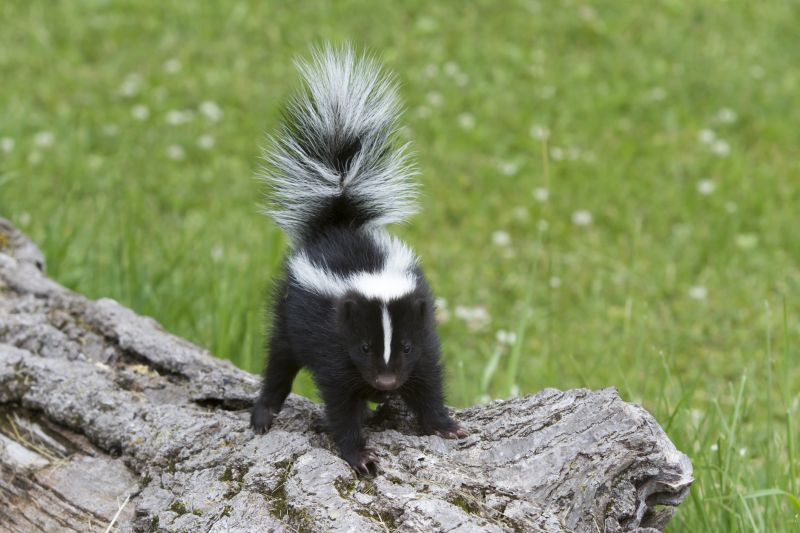

Understanding what makes skunks choose crawl spaces for denning is a common concern among homeowners dealing with nuisance wildlife. When people search for this topic, they are often trying to identify why skunks might be nesting under their homes or in similar hidden areas. This knowledge can help property owners recognize potential entry points and understand the behavior patterns of these animals. Many are interested in how to prevent skunks from establishing dens or how to safely remove them if they have already taken up residence. Recognizing the factors that attract skunks to crawl spaces is a key step in developing effective exclusion and removal strategies.
The problems associated with skunks choosing crawl spaces for denning often involve property damage, unpleasant odors, and potential health risks. Skunks can cause damage by digging under foundations or tearing through insulation, which can lead to increased energy costs and structural issues. Additionally, their presence can create a strong, foul smell that permeates the home, making the living environment uncomfortable. Homeowners with plans to address wildlife intrusions are often seeking guidance on how to identify signs of skunk activity and how to implement long-term solutions. Local service providers specializing in skunk removal are equipped to evaluate properties, identify entry points, and safely remove animals from crawl spaces to prevent further issues.
Certain types of properties are more likely to attract skunks for denning. Homes with accessible crawl spaces, especially those with gaps or openings near the ground, are common targets. Properties surrounded by overgrown vegetation, woodpiles, or debris can also serve as attractive environments for skunks to settle nearby. Rural homes and properties in suburban areas with ample cover tend to experience higher incidences of skunk activity. Understanding the characteristics of these properties helps homeowners recognize their vulnerability and consider proactive measures. Local contractors experienced in wildlife exclusion can assist in sealing entry points and making structures less inviting to skunks, reducing the likelihood of future denning.
Recognizing why skunks choose crawl spaces for denning connects directly to practical steps homeowners can take to protect their properties. Addressing this issue often involves inspecting the property for potential entry points, removing attractants, and implementing exclusion techniques. When skunks have already established a den, professional removal from local pros becomes essential for safe and humane eviction. These specialists can evaluate the property’s vulnerabilities, recommend effective exclusion methods, and ensure that the animals are removed without causing damage or harm. By understanding what makes crawl spaces appealing to skunks, homeowners can better collaborate with local service providers to develop tailored solutions that keep their homes protected.
Home inspection services - professionals assess property features to identify vulnerabilities that attract skunks to crawl spaces for denning.
Wildlife exclusion projects - specialists design and install barriers to prevent skunks from accessing crawl spaces, addressing their denning preferences.
Pest and animal removal services - experts safely remove skunks and other wildlife that may choose crawl spaces as a habitat.
Foundation and crawl space sealing - contractors improve structural defenses to make crawl spaces less inviting for skunks to set up dens.
Moisture control and drainage projects - service providers reduce damp conditions that attract skunks seeking comfortable den sites underground.
Structural repair and reinforcement - specialists strengthen crawl spaces to eliminate entry points and discourage skunk habitation.
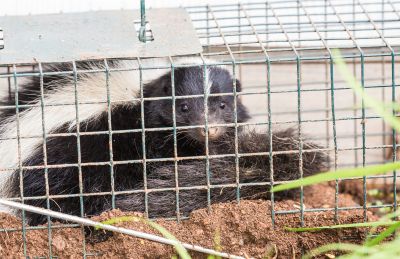
When evaluating service providers for skunk removal, it’s important to consider their experience with similar projects. Homeowners should seek out local contractors who have a proven track record of handling wildlife issues in crawl spaces, as this indicates familiarity with the unique challenges involved. An experienced professional will understand the behaviors of skunks and the factors that attract them to crawl spaces, which can lead to more effective and humane removal methods. Reviewing the types of projects a contractor has completed can help determine whether they have the practical knowledge needed to address the specific conditions that make crawl spaces appealing to skunks.
Clear, written expectations are essential to ensure that both the homeowner and the service provider are aligned on the scope of work. When comparing local contractors, it’s helpful to look for detailed descriptions of the services offered, including inspection procedures, removal techniques, and any follow-up or preventative measures. Well-defined expectations reduce misunderstandings and provide a transparent basis for decision-making. Homeowners should feel comfortable asking service providers to outline their approach in writing, which can also serve as a reference point throughout the project.
Good communication and reputable references are key indicators of a trustworthy service provider. Homeowners can inquire about how the contractor communicates during the project-whether they are responsive, clear, and open to questions. Additionally, seeking references or reviews from previous clients can provide insights into the contractor’s reliability and the quality of their work. A service provider who maintains open communication and has positive feedback from past customers is more likely to deliver a smooth and satisfactory experience when addressing skunk issues in crawl spaces.
Property owners often search for what makes skunks choose crawl spaces for denning when they are planning practical projects around their homes and businesses. Local pros provide Skunk Removal services for everyday jobs and straightforward project options.
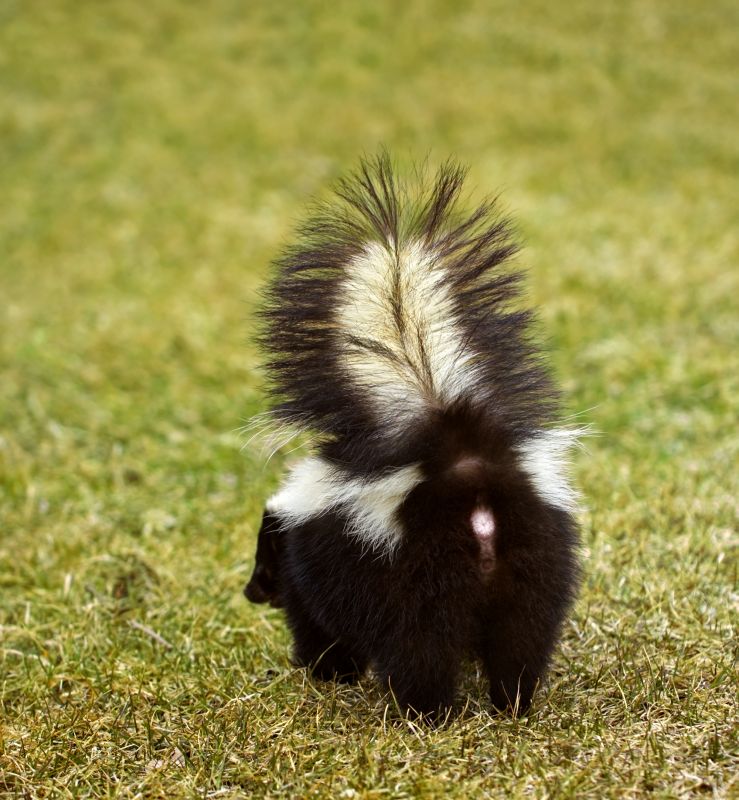

Skunks often choose crawl spaces for denning because these areas provide a safe and concealed environment that offers protection from predators and harsh weather conditions. Property owners in the area might notice signs of skunk activity, such as a strong odor or disturbed insulation, prompting them to seek out professional skunk removal services. Local contractors who specialize in wildlife exclusion can assess the property to identify how skunks are gaining access and recommend effective ways to block entry points, helping to prevent future visits.
Crawl spaces are particularly attractive to skunks because they are typically dark, quiet, and close to food sources like outdoor trash or gardens. When homeowners observe persistent odors or evidence of skunk presence, it’s common to consider removal options to ensure safety and hygiene. Experienced service providers can handle the removal process and implement exclusion measures to make crawl spaces less appealing to skunks, providing a humane solution that keeps these animals out of the home environment.
Why do skunks prefer crawl spaces for denning? Skunks often choose crawl spaces because they provide a sheltered, quiet environment that offers protection from predators and harsh weather conditions.
What features of crawl spaces attract skunks to den there? Features such as dark, undisturbed areas with easy access points and insulation materials can make crawl spaces appealing for skunks to establish dens.
How can local contractors help prevent skunks from choosing crawl spaces? Local service providers can inspect and seal entry points, remove attractants, and implement exclusion methods to discourage skunks from settling in crawl spaces.
Are there specific signs that indicate skunks are denning in crawl spaces? Signs include strong odors, disturbed insulation, tracks, or sightings of skunks near the property, prompting professional removal services to intervene.
What steps do skunk removal professionals take to address skunks in crawl spaces? They typically assess the area, safely remove any skunks present, and implement exclusion strategies to prevent future denning in crawl spaces.
Access points and openings - Identifying and sealing gaps in crawl spaces can prevent skunks from entering, and local contractors can assist with effective exclusion methods.
Shelter and insulation - Installing appropriate insulation and ensuring a dry, protected environment in crawl spaces can discourage skunks from denning there, with help from experienced service providers.
Odor and debris control - Removing debris and managing odors in crawl spaces can make the area less attractive to skunks, and local pros can handle these cleanup tasks efficiently.
Structural vulnerabilities - Addressing weak spots or damaged areas in the foundation can reduce entry points, with local contractors providing repairs to deter skunk access.
If you are thinking about what makes skunks choose crawl spaces for denning for a property, this guide is meant to help you understand this topic, the typical project types, and how different options might fit your plans.
When you are ready, you can use the quote form on this page to share a few details about your project. From there, local pros can review the basics and follow up with options that match what you have in mind.